

Hear from Our Customers
You’ve noticed the musty smell. Maybe you’ve seen discoloration on a wall or ceiling. Or you’re buying a home and need to know what you’re actually getting into.
Here’s what matters: about 50% of homes have visible mold, and Pennsylvania’s humidity levels create perfect conditions for growth you can’t always see. Our residential mold testing tells you exactly what’s happening in your home—where it is, what type it is, and how serious the situation actually is.
We use advanced detection technology to check air quality and surface samples. You get a detailed report that answers your questions and helps you make informed decisions about your property and your family’s health. No exaggeration. No scare tactics. Just accurate information you can act on.
We’ve been serving Ottsville and Bucks County since 2014. We understand Pennsylvania’s climate—the humid summers that push indoor moisture above 70%, the older homes that weren’t built with modern moisture barriers, and the basements that stay damp even when everything looks fine.
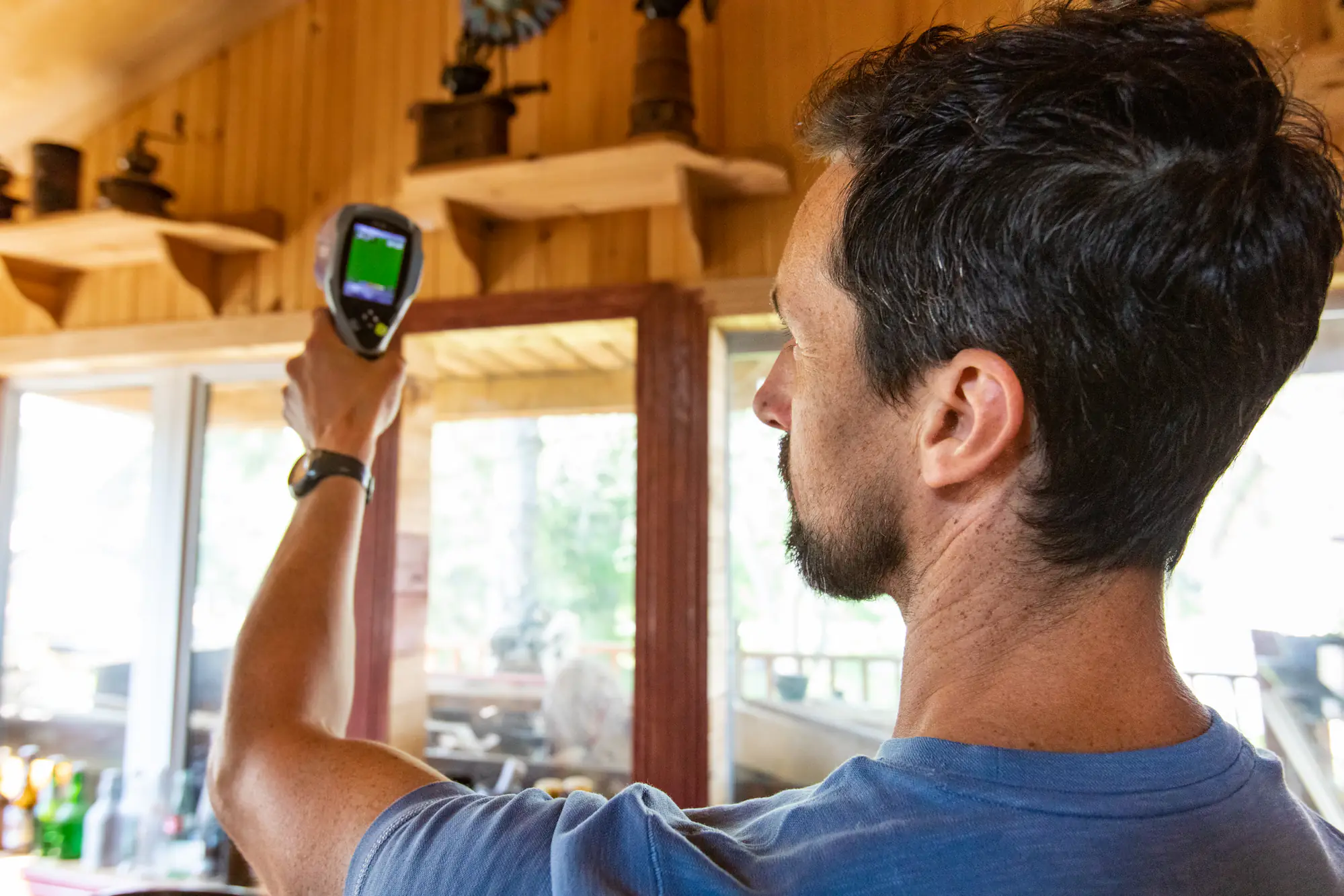
We’re not the biggest company in the area, and we’re fine with that. What we are is thorough. Our mold check professionals use infrared thermography and moisture mapping to find problems other inspectors miss.
You’re not getting a 20-minute walkthrough. You’re getting a comprehensive assessment from people who know what to look for and how to explain it without the technical jargon.
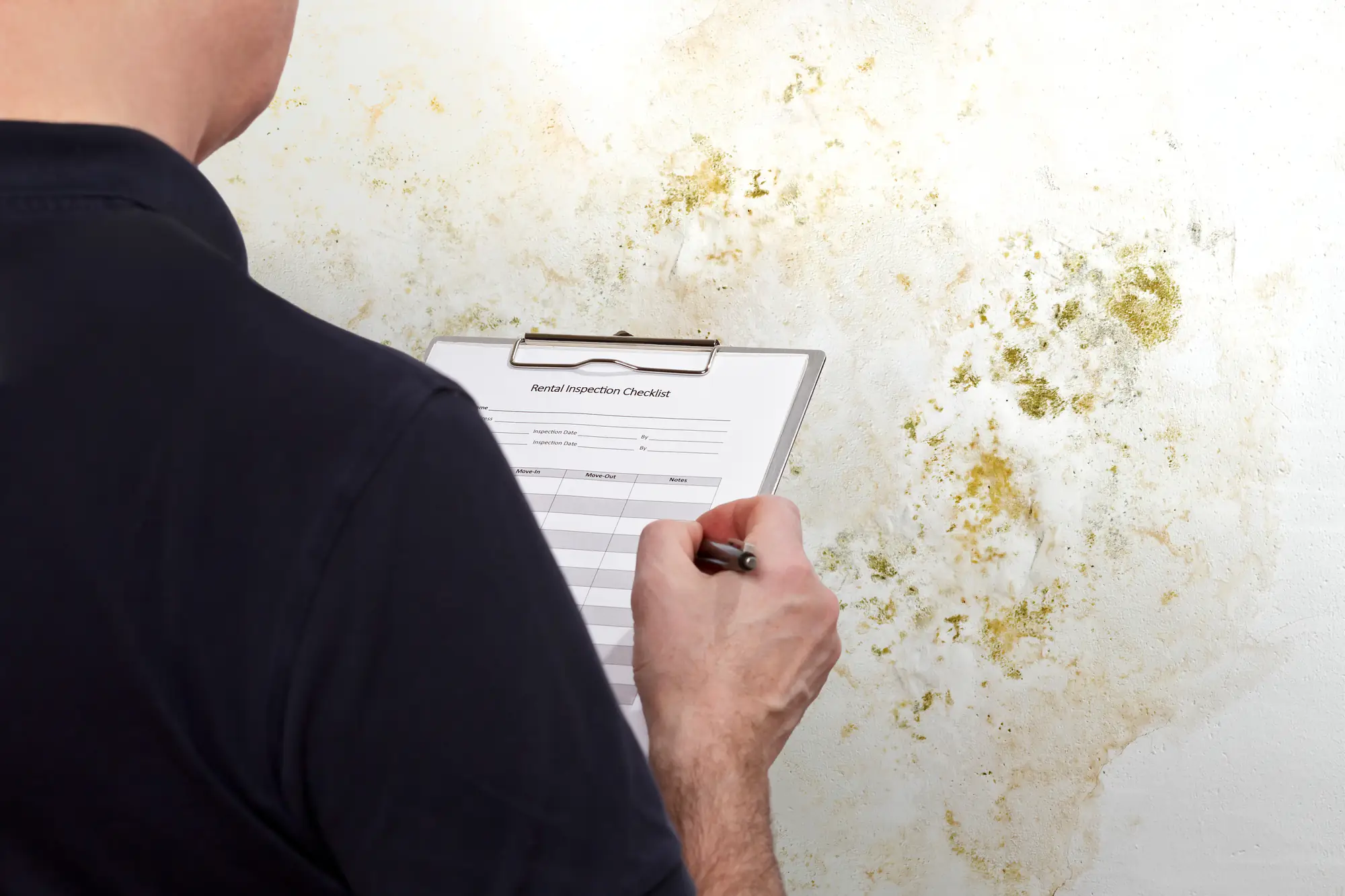
First, we talk. You tell us what you’ve noticed, where you’ve seen issues, and what concerns you have. That conversation shapes where we focus our inspection.
Then we do a visual assessment of your property. We’re looking at areas where moisture accumulates—bathrooms, basements, crawl spaces, around windows, near HVAC systems. We use moisture meters to measure humidity levels in walls and materials. If we find elevated moisture or visible growth, we take air samples and surface samples.
Those samples go to a certified lab for analysis. Within a few days, you get a detailed report that identifies the type of mold, the concentration levels, and the likely moisture source. We walk you through the results and explain what they mean for your specific situation.
If remediation is needed, we give you a clear scope of work. If it’s a minor issue you can handle yourself, we’ll tell you that too. The goal is accurate information, not upselling services you don’t need.
Ready to get started?
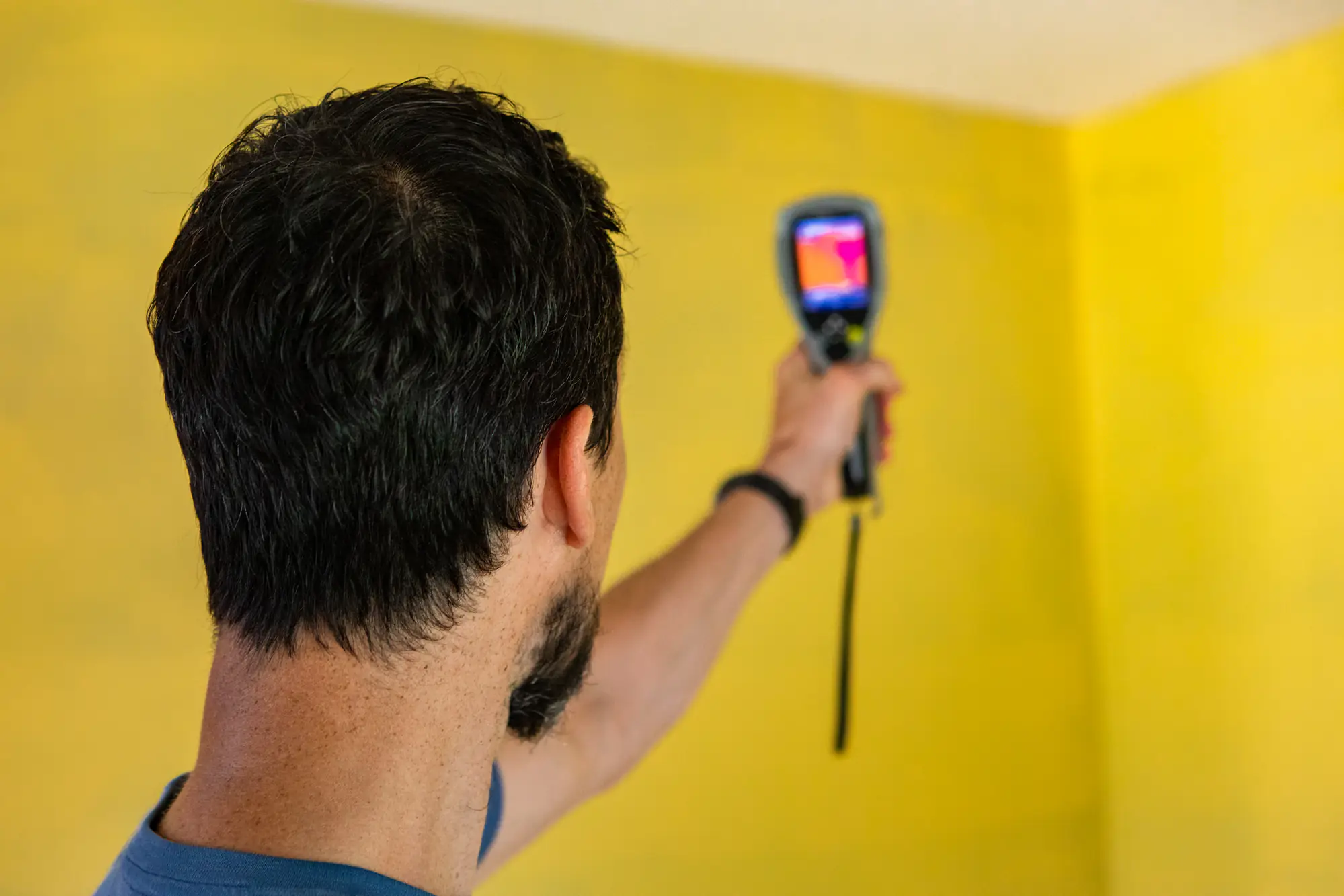
You get a thorough inspection of your property using professional-grade equipment. We check indoor humidity levels, inspect common problem areas, and use thermal imaging to detect hidden moisture behind walls and ceilings.
Air sampling captures mold spores that aren’t visible to the naked eye. Surface sampling tests areas where we see potential growth. Both samples get analyzed by an independent lab that specializes in mold identification.
In Ottsville and throughout Bucks County, we see a lot of mold issues related to Pennsylvania’s climate. Summers here are humid—often staying above 60% relative humidity for extended periods. That’s above the threshold where mold can germinate and spread. Older homes in the area often have limited ventilation and outdated moisture control, which compounds the problem.
Your report includes lab results, photos of affected areas, moisture readings, and our recommendations. If we find toxic black mold or other hazardous species, we’ll explain the health risks clearly and outline the next steps for safe removal.
Most residential mold testing in Ottsville runs between $300 and $600, depending on your home’s size and how many samples we need to collect. A basic inspection with air sampling for a smaller home costs less than comprehensive testing for a larger property with multiple problem areas.
Here’s what affects the price: square footage, number of rooms tested, how many air and surface samples we take, and whether we need to use advanced detection methods like thermal imaging. If you’re buying a home and need documentation for the sale, that’s typically a standard inspection. If you’ve had water damage and need to test multiple floors, the scope increases.
The average cost of mold remediation in the U.S. is around $2,347. Testing first helps you avoid paying for unnecessary remediation or, worse, discovering a major problem after you’ve already bought a property. Think of it as information that protects a much larger investment.
The on-site inspection usually takes one to three hours depending on your home’s size and complexity. We’re not rushing through it. We’re checking every area where moisture could be hiding and taking the time to do it right.
After we collect samples, they go to a certified lab for analysis. Lab results typically come back within three to five business days. Once we have the results, we schedule a time to review them with you—either in person or over the phone, whichever works better for you.
You’ll get a written report that breaks down what the lab found, where the contamination is, and what it means for your home. We don’t just hand you paperwork and disappear. We explain the findings in plain language and answer your questions so you understand exactly what you’re dealing with and what your options are.
You can buy DIY mold test kits at hardware stores for $10 to $50, but they have serious limitations. Most home test kits only tell you if mold is present—which isn’t particularly useful since mold spores exist in virtually every home. They don’t tell you what type of mold it is, how much is there, or where the moisture source is.
Professional mold testing uses calibrated equipment to measure moisture levels in building materials, infrared cameras to detect hidden water intrusion, and lab analysis to identify specific mold species. We know where to look. Mold often grows in wall cavities, under flooring, above ceilings, and in HVAC systems—places you can’t easily inspect yourself.
In Pennsylvania’s humid climate, surface-level checks miss a lot. We’ve inspected homes where owners thought they had a small problem, only to find extensive hidden contamination once we used proper detection tools. If you’re dealing with health symptoms, buying or selling property, or you’ve had water damage, professional testing gives you accurate information instead of guesswork.
In Ottsville and throughout Bucks County, we regularly find Cladosporium, Penicillium, Aspergillus, and Stachybotrys (black mold). Each thrives in the humid conditions Pennsylvania’s climate creates, especially during summer months when indoor humidity consistently exceeds 60%.
Cladosporium typically grows on wood surfaces, fabrics, and in HVAC systems. Penicillium shows up on water-damaged materials like drywall, carpeting, and wallpaper. Aspergillus likes dust and grows quickly on damp surfaces. Stachybotrys—the toxic black mold people worry about most—grows on materials with high cellulose content like drywall, wood, and paper when they stay wet for extended periods.
The type of mold matters because some species produce mycotoxins that pose serious health risks, while others are primarily a nuisance. Professional testing identifies exactly what’s growing in your home so you can assess the actual risk level. We see a lot of older homes in this area where poor ventilation and outdated moisture barriers create perfect conditions for multiple mold species to coexist.
Yes, especially in Bucks County where older homes and Pennsylvania’s humid climate create higher mold risk. A standard home inspection doesn’t include mold testing—inspectors note visible issues but don’t test air quality or hidden contamination.
We’ve tested homes where previous owners painted over mold instead of treating it properly. The new buyers had no idea until they started experiencing health symptoms or noticed the paint bubbling months after purchase. By then, they’re paying out of pocket for remediation that could cost thousands of dollars.
Pre-purchase mold testing gives you negotiating power. If we find contamination, you can request the seller handle remediation before closing, negotiate a lower price to cover the cost, or walk away from a property with serious problems. It’s a few hundred dollars that protects you from discovering a $2,000+ problem after you own the home. In areas like Ottsville where properties can harbor hidden moisture issues for years, testing before you buy isn’t paranoid—it’s smart.
Mold can start growing within 24 to 48 hours after water exposure, especially in Pennsylvania’s humid climate where moisture doesn’t evaporate quickly. Once spores germinate, visible growth can appear within a week if conditions stay favorable.
This is why timing matters after any water event—flooding, pipe leaks, roof damage, or even high humidity from a malfunctioning dehumidifier. The longer materials stay wet, the more extensive the contamination becomes. What starts as a small patch of surface mold can spread into wall cavities, insulation, and structural materials if moisture isn’t addressed immediately.
In Ottsville’s climate, where summer humidity regularly exceeds 70%, the risk window is even shorter. Materials absorb moisture from the air, creating conditions where mold can grow even without an obvious water event. If you’ve had any water intrusion, get professional testing done quickly. Early detection means smaller remediation costs and less risk to your home’s structure and your family’s health.
Other Services we provide in Ottsville